Visiting Dharavi: what to expect, and how to visit respectfully
1 October 2026 · by Musafire team
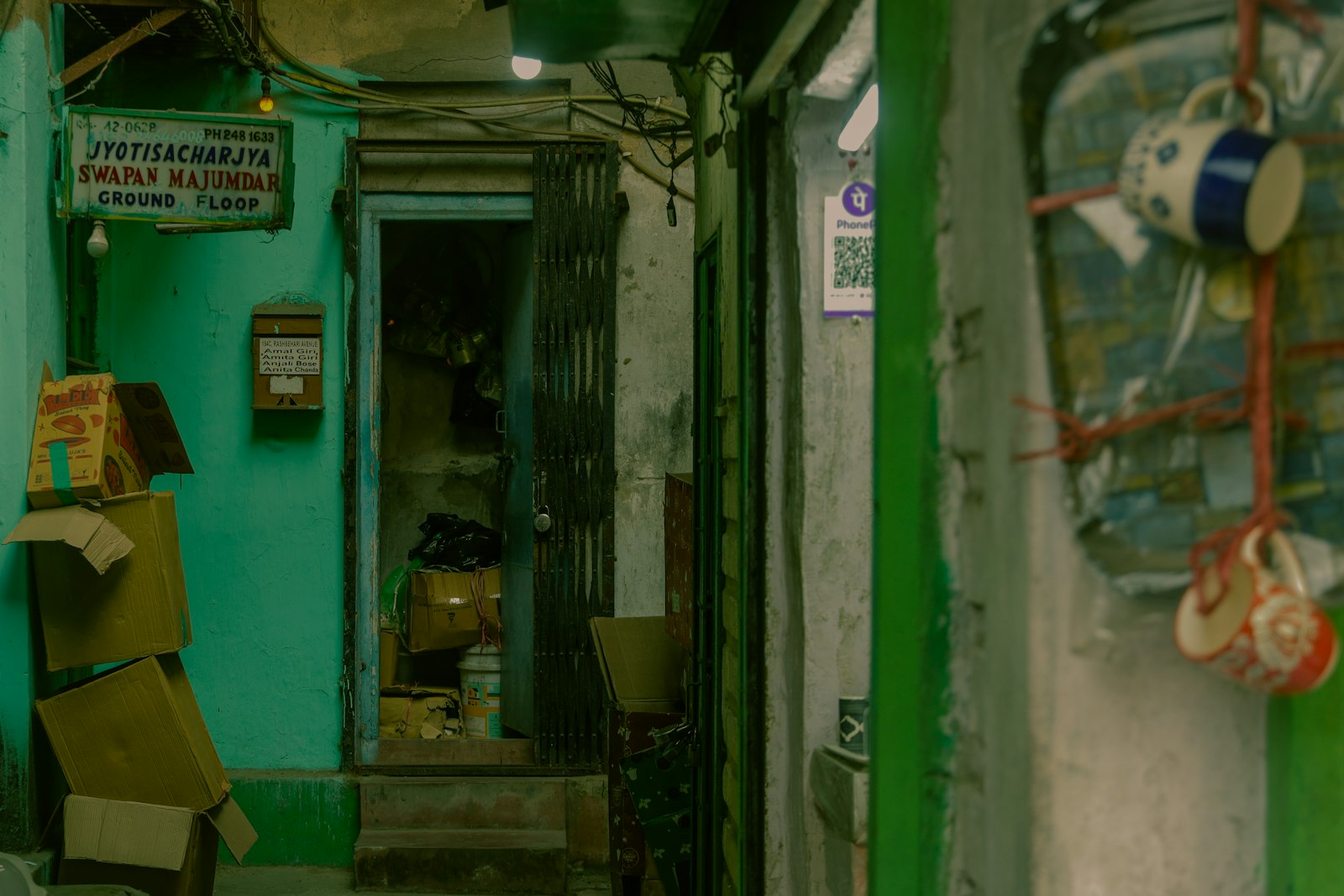
Many visitors first hear of Dharavi from the film Slumdog Millionaire and expect a place of poverty. What they find is something else: a busy, proud neighbourhood of small businesses, workshops and families, where almost everyone works and many things you use every day are made or recycled.
What is Dharavi?
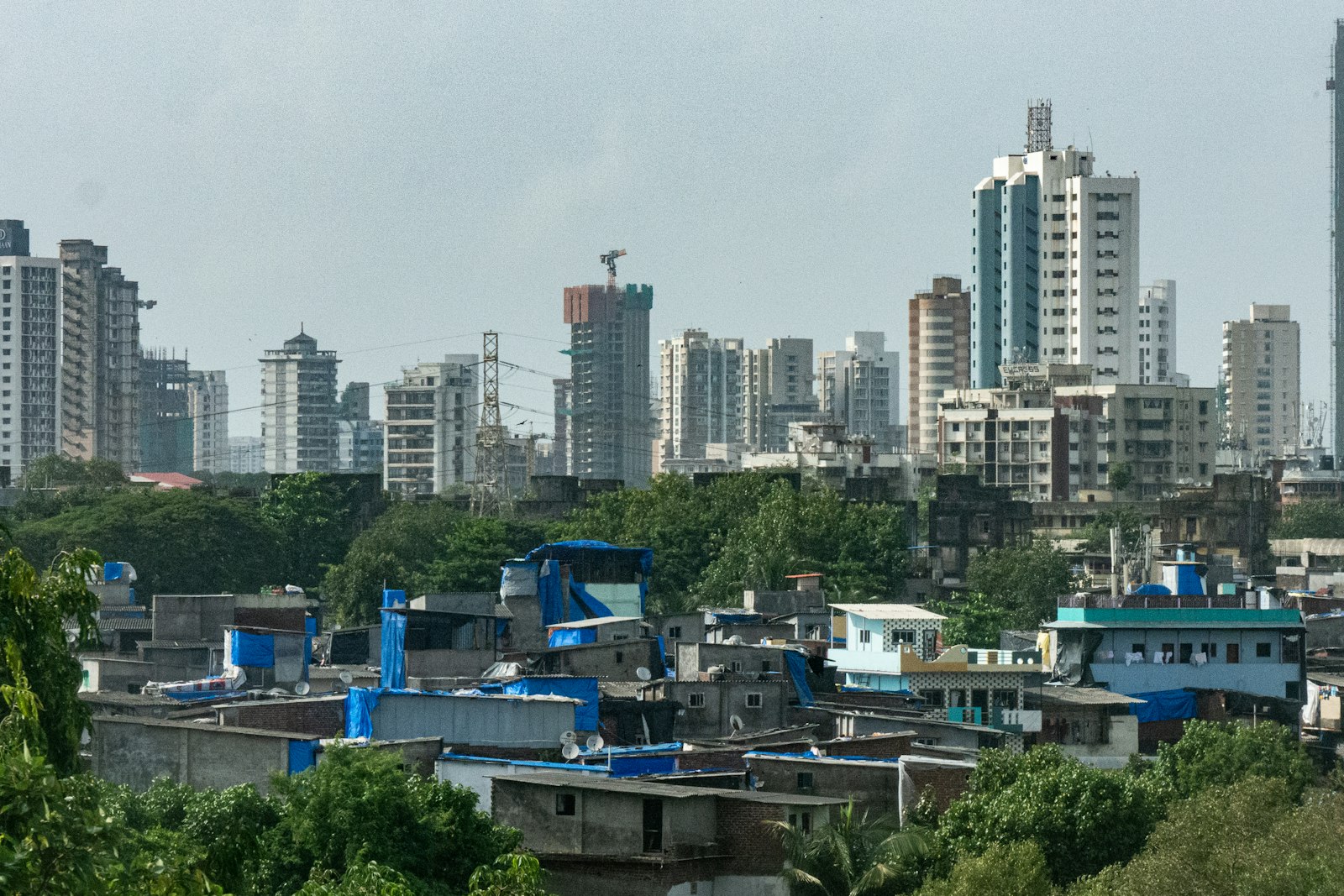
Dharavi sits in the middle of Mumbai, between the city's two main railway lines, on a little over 2 square kilometres of land. Estimates of its population run from 700,000 to about a million people, which makes it one of the most crowded places on earth. It grew from a fishing village into a home for people who came to Mumbai from every corner of India, and each community brought its trade with it.
What you'll see
- Recycling: plastic, metal, paper and cardboard from all over Mumbai are sorted, washed, shredded and melted into pellets for new products.
- Pottery: in Kumbharwada, potter families, many with roots in Gujarat, have shaped and fired clay pots and diyas for generations.
- Leather, garments and food: bags and jackets are cut and stitched in small workshops, and papads and snacks are made for shops across the city.
- Community life: narrow lanes, temples, mosques and churches side by side, schools, cricket in every open space, and neighbours who all seem to know each other.
Is it ethical to visit?
That depends on how you go. A good Dharavi tour is led by people who know the area, keeps groups small, doesn't treat residents as an attraction, and lets you meet people at work rather than look at them. On our tours you walk with a guide who lives in Dharavi, in groups of no more than ten, and you never visit someone's home without an invitation.
Why there are no photos
On our walks we ask you to keep your camera away inside Dharavi. People live and work here, and they didn't ask to appear on social media. You'll find people talk to you much more openly without a lens between you.
Tips for your visit
- Wear closed, comfortable shoes (some lanes are narrow, uneven or wet) and modest clothing.
- Allow about two hours for the walking tour.
- Bring some cash if you'd like to buy pottery or leather goods directly from the makers.
- Families are welcome; tell us before you book if anyone has mobility needs.
- Ask questions: our guides grew up here and love talking about it.
Our Dharavi tours
- Dharavi Walking Tour: the classic two-hour introduction.
- Dharavi & Street Food Combo: the walk, followed by some of Mumbai's best snacks.
- Dharavi Walk, Pottery & Family Lunch: sit at a potter's wheel, then share a home-cooked lunch.
- Home-Cooked Meal with a Dharavi Family: for food lovers.
- Dharavi & City Sights Private Day: Dharavi and the big sights in one private day.